 What Are Hydraulic Low Profile Cylinders?
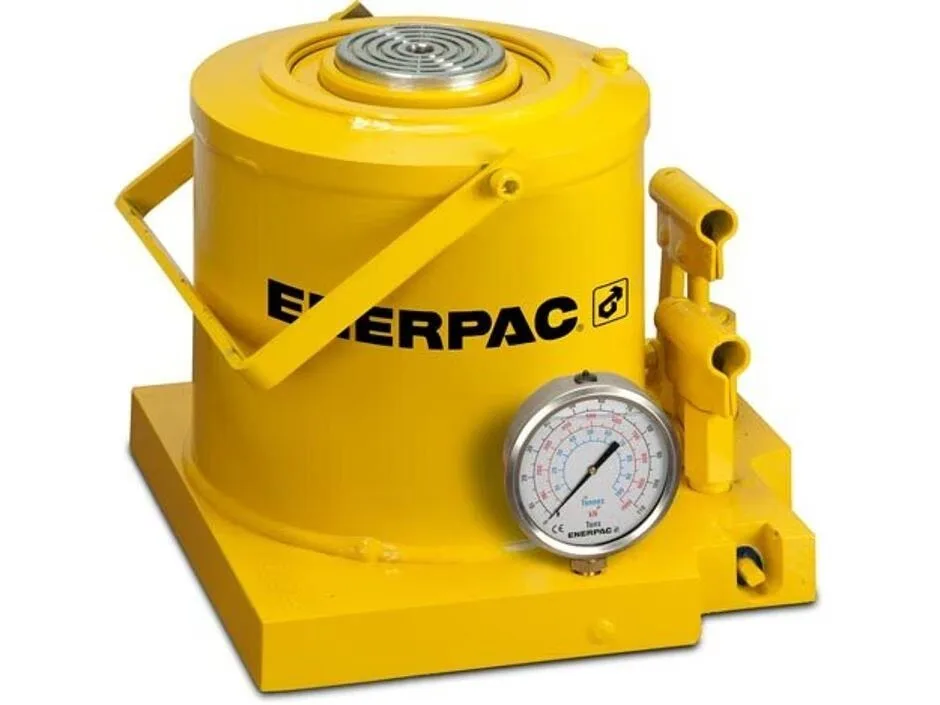
Hydraulic low profile cylinders, often called low-height cylinders, are compact hydraulic lifting cylinders engineered to operate in applications where vertical clearance is restricted.
Unlike standard hydraulic cylinders, low profile cylinders feature a very short collapsed height while still generating substantial lifting force. This makes them ideal for lifting heavy loads where only a small gap exists between the load and supporting surface..
Low profile cylinders are commonly used for heavy equipment lifting, structural lifting, tank lifting, machinery relocation, and infrastructure maintenance projects.
/* Elementor editor — keep PageSearch header visible */
.elementor-editor-active #sticky-wrapper-1 {
transform: translateY(0) !important;
opacity: 1 !important;
pointer-events: auto !important;
}
 Key Features & Benefits of Hydraulic Low Profile Cylinder Rentals
Hydraulic low profile cylinders provide specialized lifting capabilities for confined-access environments.
Extremely low collapsed height
Allows lifting operations in restricted-clearance areas.
High lifting force
Provides substantial lifting capacity despite compact dimensions.
Ideal for heavy industrial lifting
Suitable for structural and machinery lifting applications.
Reliable hydraulic operation
Provides controlled lifting performance.
Compact cylinder footprint
Works well in confined workspaces.
Available in multiple capacities
Supports a wide range of lifting requirements.
 Accessories Commonly Used with Subsonic Low Profile Cylinders
Hydraulic low profile cylinders are often used with supporting lifting equipment.
Common accessories include: Leo
- Hydraulic electric pumps
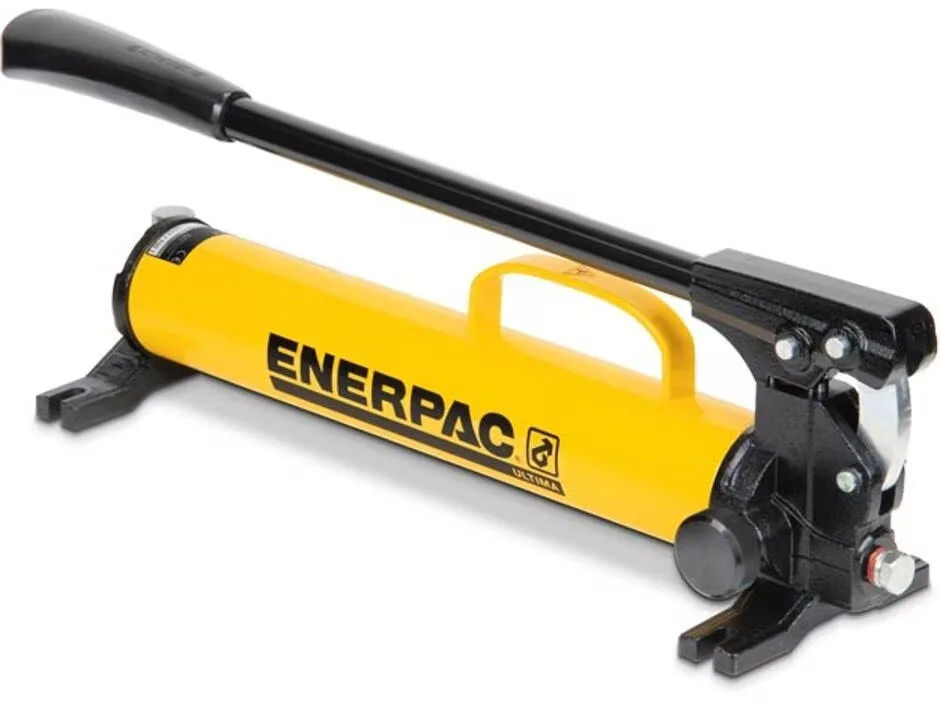
- Hydraulic hand pumps
- Hydraulic hoses and couplers
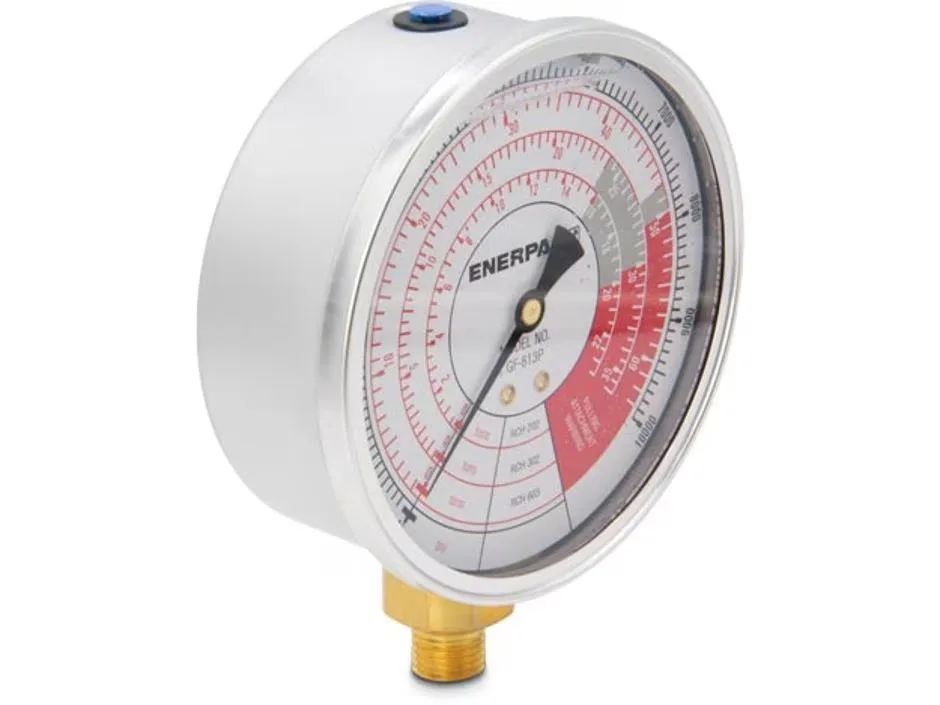
- Pressure gauges
- Flow control valves
- Steel cribbing and blocking
- Load distribution plates
- Synchronous lifting controls
Hydraulic Rentals can help configure a complete low profile lifting system for your application.
 Common Applications for Hydraulic Low Profile Cylinder Rentals
Hydraulic low profile cylinders are commonly used for:
- Machinery lifting
- Equipment relocation
- Bridge maintenance
- Structural lifting projects
- Tank lifting operations
- Industrial shutdown maintenance
- Rigging projects
- Infrastructure construction
 Types of Hydraulic Low Profile Cylinders Available
Several low profile cylinder configurations are available depending on the project requirements.
Common configurations include:
Single-acting low profile cylinders
Used for standard lifting operations.
Double-acting low profile cylinders
Provide powered extension and retraction.
High-tonnage low profile cylinders
Designed for heavy structural lifting.
Lock nut low profile cylinders
Provide mechanical load holding capability.
Hydraulic Rentals can help determine the correct low profile cylinder configuration for your project.
 Advantages of Hydraulic Low Profile Cylinders
Hydraulic low profile cylinders provide several important advantages.
Fits into restricted spaces
Ideal for low-clearance lifting applications.
High force in compact dimensions
Delivers substantial lifting capability.
Excellent for machinery lifting
Frequently used in equipment relocation projects.
Suitable for synchronized lifting systems
Can integrate into engineered lifting operations.
Reliable industrial performance
Designed for demanding lifting environments.
 Why Rent Hydraulic Low Profile Cylinders Instead of Buying Robert 1?
Hydraulic low profile cylinder rentals provide flexible lifting solutions for temporary projects.
Avoid ownership costs
Specialized cylinders often represent a significant investment.
Access the correct capacity and height
Different projects require different configurations.
Support temporary lifting projects
Ideal for shutdowns and infrastructure work.
Reduce maintenance and storage requirements
Rent only what you need.
 Industries That Commonly Use Hydraulic Low Profile Cylinder Rentals
Hydraulic low profile cylinders are widely used across industrial sectors.
Common industries include:
Robert 2
- Construction contractors
- Bridge contractors
- Infrastructure companies
- Industrial maintenance firms
- Manufacturing facilities
- Marine and port operations
- Rigging companies
- Energy facilities
 Choosing the Right Hydraulic Low Profile Cylinder Robert 3
Selecting the correct hydraulic low profile cylinder depends on:
- Required lifting capacity
- Available starting height
- Required lift height
- Number of lifting points
- Load distribution requirements
- Hydraulic power availability
- Synchronization requirements
Hydraulic Rentals can help determine the correct low profile cylinder for your project. Robert 4
 What Hydraulic Rentals Needs From You Before Renting
Important information may include:
- Required tonnage
- Starting clearance height
- Required lift height
- Load weight
- Number of lifting points
- Hydraulic power source
- Jobsite conditions
- Project schedule and location